Available Now

Formulary

Ingredients Reviewed

1 live 4 approved 95 rejected

Tap cards for ingredients and reasoning.

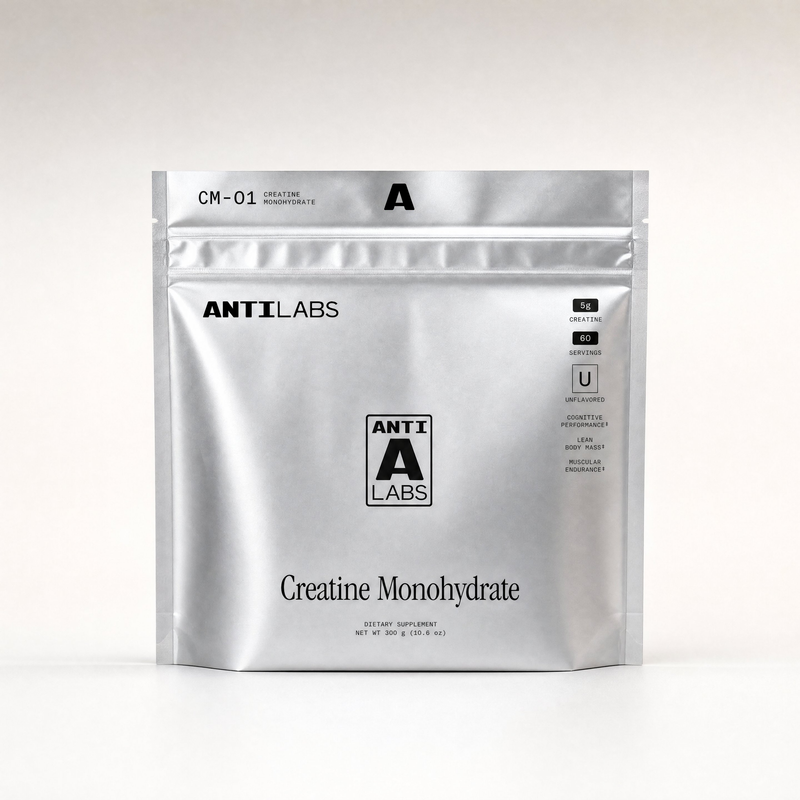
LiveCM-01
Creatine Monohydrate

The most-researched compound in sports nutrition. Single-ingredient, unflavored, and third-party tested every lot — nothing in the pouch but creatine monohydrate.

View Details

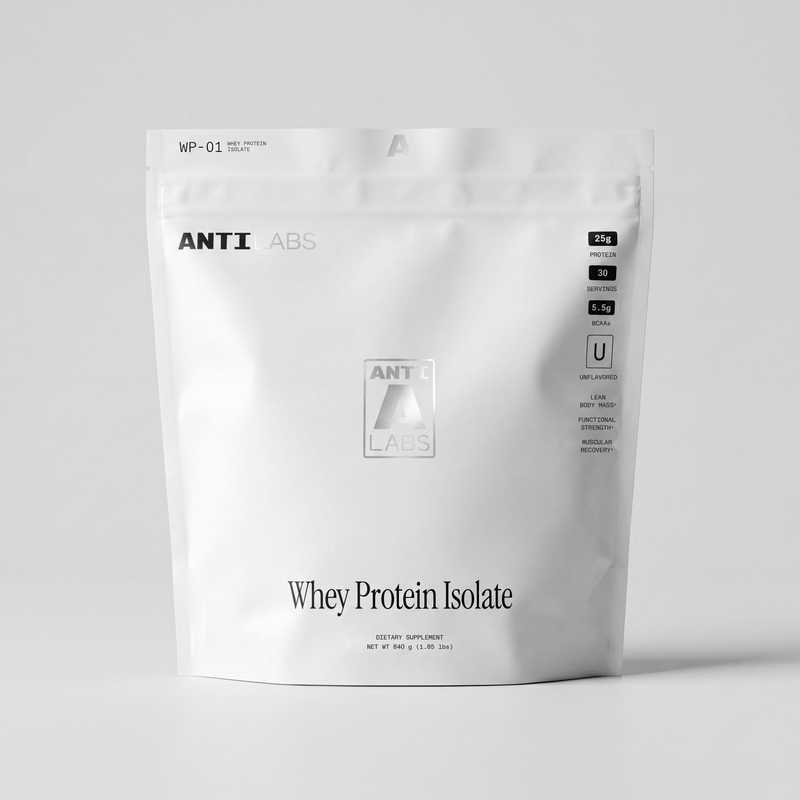
A complete protein — all nine essential amino acids, naturally high in leucine. The most-studied protein format in the category. Ours is single-source isolate, unflavored, third-party tested every lot.

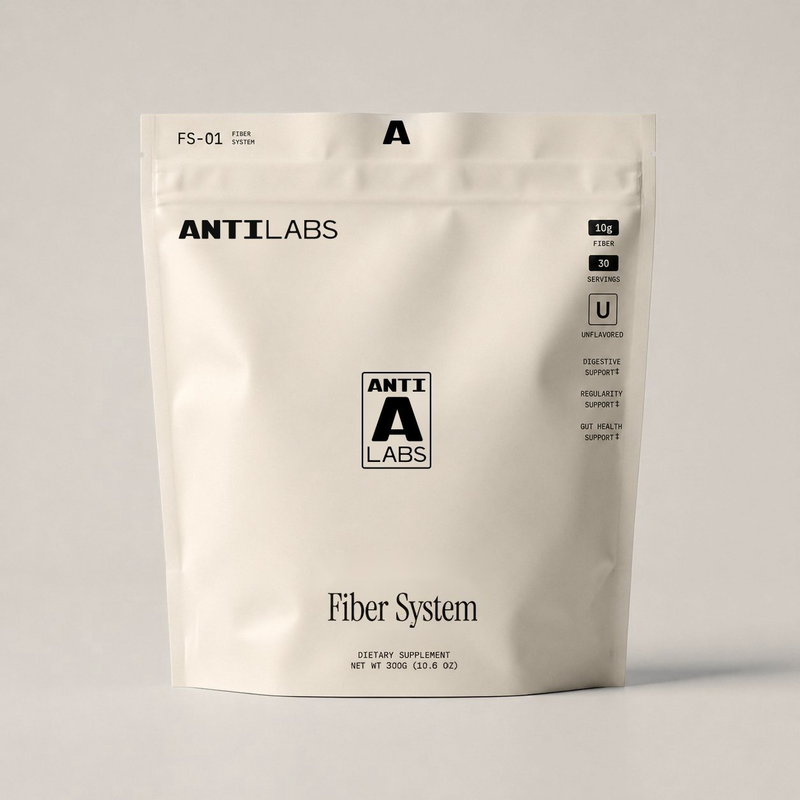
Soluble fiber with decades of clinical use and one of the most settled evidence bases in the category. Single-ingredient, well-tolerated, tested for purity.

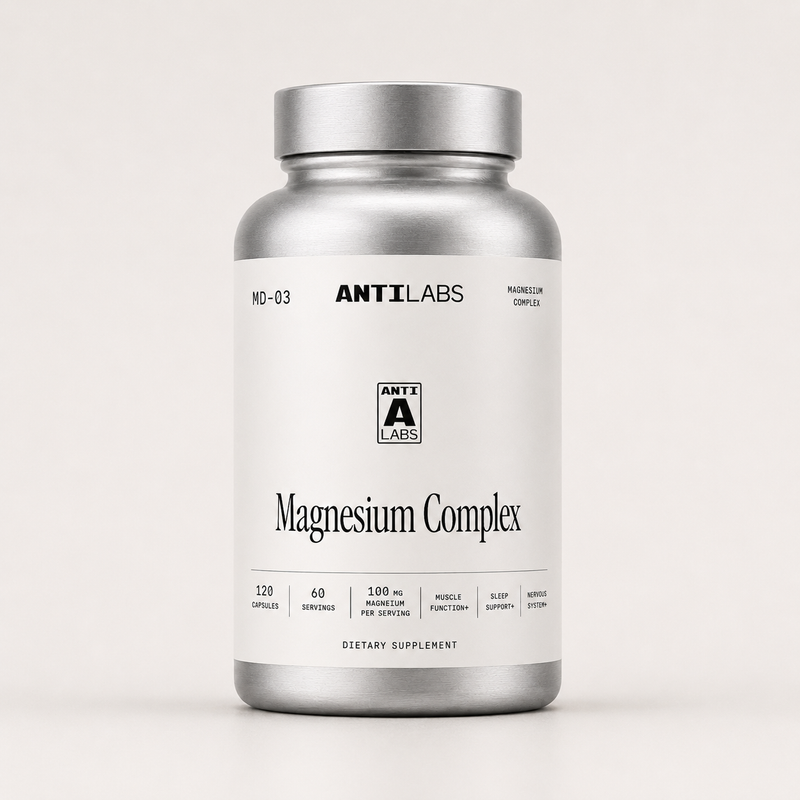
An essential mineral most diets under-deliver. We use a well-absorbed form — single-ingredient, third-party tested — with a broad, well-established role in normal physiological function.

Widespread insufficiency in modern populations with limited sun exposure. We use the D3 form for bioavailability — among the best-evidenced micronutrients to supplement.

The marketing has outpaced the evidence. Most human trials are small and industry-funded, and a growing number of case reports link ashwagandha to drug-induced liver injury. Until independent data catches up with the claims, it doesn't clear our bar.

There is no universal microbiome. A generic strain isn't guaranteed to colonize your gut — and even when it does, more bacteria isn't inherently better for any given person. Without strain-, dose-, and person-specific evidence, a one-size-fits-all capsule is a guess.

A pinch of everything, a clinical dose of nothing. Greens powders microdose dozens of extracts at fractions of any studied amount — and many of those ingredients have no meaningful human evidence to begin with. A long label isn't a formula.

Bioavailability without piperine is poor. Standardization across products is inconsistent. Marketing-driven category.

Weight and glucose claims rest on small, low-quality trials. The acid erodes tooth enamel.

Dietary intake usually sufficient. Supplementation linked to vascular calcification in some studies.

Supplementation without confirmed deficiency carries toxicity risk. Not appropriate as a general-population product.

Easily obtained from diet. Supraphysiologic doses risk mineral imbalance.

Deficiency is rare and diet covers it. Hair and nail claims are unsupported outside deficiency, and it skews common lab assays.

Narrow therapeutic window. Toxicity risk at supraphysiologic doses is well-documented.

Higher-dose supplementation associated with increased all-cause mortality in meta-analyses.

Easily obtained from diet. Supraphysiologic doses linked to peripheral neuropathy.

Cholesterol indication is real but supraphysiologic doses require monitoring. Not a general-population product.

Narrow therapeutic window. Diet usually sufficient.

The cardiovascular effect is small and obtainable from diet. Standardization is inconsistent.

Concentrated extracts carry a documented liver-toxicity signal. The effect size is modest.

Energy and cognition evidence is inconsistent, and product standardization is poor.

Memory and cognition claims are unsupported by large trials, and it carries a bleeding-risk signal.

Immune claims outrun the evidence. Most products are largely sugar syrup.

Cochrane found the evidence for preventing or shortening colds weak and clinically unconvincing.

Liver-protection evidence is weak and inconsistent.

High-quality trials show no benefit over placebo for prostate symptoms.

Sleep evidence is inconsistent and low-quality.

It does help mild depression, but that makes it drug-like, not a wellness supplement: it induces liver CYP enzymes and dangerously weakens birth control, anticoagulants, and immunosuppressants, and risks serotonin syndrome with antidepressants.

Oral evidence is weak. Topical applications are well-supported; oral is not.

Inflammation claims rely on small, lower-quality trials.

Poor oral bioavailability. NAC is the more defensible precursor approach.

No evidence for routine detox or bloating, and it non-selectively binds nutrients and medications in the gut.

Sold for detox, deodorizing, and alkalizing with no credible human evidence for systemic detoxification.

A detoxifying, alkalizing superfood with no credible human trials supporting its broad claims.

Superfood marketing with heavy-metal and microcystin contamination risk. Nutrients are obtainable from diet.

Heavy-metal chelation and immune claims rest on minimal, poor-quality human data.

Marketing-driven superfood positioning. Iodine content varies wildly with toxicity risk, plus contamination concerns.

Marketed as a cure-all superfood; human evidence for its claims is thin and low-quality.

Libido and energy evidence is thin and low-quality.

Drug-like glucose-lowering effects warrant monitoring — not a general-population supplement. Standardization varies.

Cognitive claims rest on tiny, preliminary human studies.

Emerging marketing trend with limited clinical evidence in healthy adults.

Fatigue and stress claims rest on small, low-quality, inconsistent trials with poor extract standardization.

Poor oral bioavailability. Human longevity and cardiovascular claims are unproven.

Weak ergogenic evidence. Carnitine-TMAO pathway concern outweighs marginal benefit.

Mood and sleep evidence is weak, with serotonin-related safety and interaction concerns.

Sold for calm and sleep, but oral GABA barely crosses the blood-brain barrier and the relaxation evidence is small, inconsistent, and mechanistically doubtful.

Weight-loss claims are unsupported, with hepatotoxicity reports.

The flagship study was retracted and the FTC won multimillion-dollar judgments over its weight-loss claims.

A fat-burner-in-a-bottle supported only by rodent and test-tube data, with no credible human trials.

The most-cited human trial showed no change in body composition versus placebo in overweight adults.

The only human appetite trial found no effect on intake or weight, plus raised blood pressure, heart rate, and liver enzymes.

Weight-loss evidence is limited to a few small, low-quality, often single-group studies.

Meta-analysis puts long-term fat loss at roughly 0.7 kg, too small to matter, with GI side effects.

Weight and craving claims show clinically meaningless effects; the FTC has acted against fat-loss claims for it.

Works only because it contains monacolin K, chemically identical to the statin lovastatin; potency varies by batch, it carries statin risks and citrinin/mold contamination, and a 2024 scandal was linked to kidney injuries and deaths.

An ephedra-free fat burner with no evidence it aids weight loss; tends to raise blood pressure and heart rate.

Fat-loss pharmacology is real but inconsistent in practice, and it commonly causes anxiety, raised blood pressure, and palpitations.

Testosterone and libido claims rest on small, short, low-quality and largely manufacturer-funded studies.

Testosterone and libido claims are based on small, conflicting trials with no reliable hormonal effect.

Sold as a testosterone and libido booster; systematic reviews find no reliable rise in testosterone and only very-low-quality evidence for sexual function.

Marketed as a natural testosterone booster; controlled trials show no increase in testosterone, strength, or lean mass in healthy men, and it converts to estrogen.

Marketed to raise testosterone and strength; controlled trials show no hormonal or performance benefit in non-deficient athletes.

Free-testosterone claims rest on tiny studies with modest, short-lived shifts and no demonstrated effect on muscle or performance.

One early study suggested a testosterone bump; better trials in trained men show no increase, and sometimes a decrease.

Influencer-driven natural anabolic; the only human trial showed no effect on body composition, and lab testing finds most products contain under 1% of the labeled dose.

Libido and erectile claims come from test-tube and animal work on icariin; credible human evidence is essentially absent.

The original prohormone; trials show it fails to raise testosterone or build muscle while elevating estrogen. A banned-sport agent with no benefit.

Sold for IGF-1, growth, and recovery; IGF-1 is a peptide destroyed by digestion, and controlled data show no benefit. Pure marketing.

The large NIH GAIT trial found no meaningful pain relief for knee osteoarthritis over placebo.

The better-quality menopause trials show no advantage over placebo for hot flashes, and it carries documented reports of liver injury.

Joint and inflammation claims rest on small, low-quality, poorly standardized trials.

Joint-comfort claims rest on a handful of small, mostly manufacturer-funded studies.

Hair, skin, and nail claims rest on thin, largely industry-funded evidence.

A broad menu of circulatory, skin, and cognitive claims supported mainly by small, industry-linked trials.

An immune/antiviral booster lacking human trials, with some studies showing no effect.

Immune and blood-pressure claims rest on small, preliminary studies; effects are modest and obtainable from diet.

Immune and longevity claims rest on low-quality human studies and tradition rather than controlled trials.

Cold-symptom claims rely on low-quality trials, often in fixed herbal combinations, with allergy and safety concerns.

A detox and liver herb with essentially no human evidence; claims rest on animal studies.

It may modestly ease anxiety, but documented hepatotoxicity — including liver failure and bans in several countries — rules it out on safety.

Insufficient human data despite influencer-driven attention.

Cognitive claims outpace evidence. Stroke risk signal in observational data remains unresolved.

Evidence sits in clinical cognitive decline and stroke recovery, not healthy users, where benefit is modest and inconsistent.

Focus and cognition claims have little credible human support.

Memory and cognition signals are weak and inconsistent in healthy people.

Choline obtainable more reliably from diet. Cognitive claims overreach the evidence.

Memory claims are inconsistent and largely null in healthy adults, with frequent GI side effects.

A drug-like acetylcholinesterase inhibitor whose human trials are small, low-quality, and from a single region.

Cognition evidence is weak, the FDA has stated it does not qualify as a dietary ingredient, and it poses a documented risk in pregnancy.

A trendy brain/energy dye that is actually an FDA-regulated drug; cognitive evidence is small, it is a potent MAO inhibitor with serotonin-syndrome risk, and many products are industrial grade.

Raises blood NAD+ (a surrogate marker), but durable clinical or longevity benefit in humans is unproven, and trials are short and mostly industry-sponsored.

Reliably raises NAD+ but, like NMN, has not shown meaningful anti-aging or clinical benefit in human trials.

Marketed for memory and longevity, yet the largest, lowest-bias trial found no cognitive benefit; results are inconsistent.

A heavily marketed senolytic with striking mouse data but no proven human efficacy, poor bioavailability, and unvalidated outcomes.

Antioxidant, immune, and senolytic claims show weak, modest human effects and poor oral bioavailability.

A longevity-branded ingredient whose human evidence is minimal and uncontrolled despite the anti-aging marketing.

The FDA ruled it neither safe nor effective for any condition; it offers no immune benefit and causes permanent skin discoloration (argyria).

Enzyme supplementation claims unsupported in healthy populations.

Coming Very Soon

Whey Protein Isolate WP-01

Whey Protein Isolate

WP-01

Notify me when WP-01 is ready.

First in line for the launch and a heads-up the moment it ships. No spam.

We'll only send what's worth reading. Unsubscribe any time. See our Terms & Privacy Policy.

FS-01

Notify me when FS-01 is ready.

First in line for the launch and a heads-up the moment it ships. No spam.

We'll only send what's worth reading. Unsubscribe any time. See our Terms & Privacy Policy.

Magnesium Complex MD-03

Magnesium Complex

MD-03

Notify me when MD-03 is ready.

First in line for the launch and a heads-up the moment it ships. No spam.

We'll only send what's worth reading. Unsubscribe any time. See our Terms & Privacy Policy.

What you won't find in the catalog.

Proprietary blends Artificial sweeteners Fillers Pseudoscience Guesswork

New products released only after rigorous approval process.